

Starting a chat with someone new doesn’t have to feel awkward. Below are practical, light, and non-cringe icebreakers you can copy, plus the psychology behind why they work and a follow-up you can send next.
How to Use Icebreakers the Smart Way
- Keep it short and specific. One line beats a paragraph.
- Use open-ended prompts that invite stories, not yes/no answers.
- Match her energy: playful opener → playful follow-up.
- Move from small talk to meaning with sincere follow-ups (see Harvard tips on better questions).
Further reading: conversational research suggests that thoughtful follow-up questions improve rapport and perceived connection. See research-backed guidance from Harvard Business School on crafting better conversations.
10 Icebreakers That Actually Work
1) The Tiny Challenge
Opener: “Two truths and a tiny lie—go?”
Why it works: Gamifies the first message; low pressure and fun.
Follow-up: “Okay I’ll guess… the surfing one? What’s the real story?”
2) The Specific Compliment
Opener: “Your playlist taste is elite. One song I should add?”
Why it works: Specific > generic; invites recommendation and personal taste.
Follow-up: “Adding it now—what mood is it perfect for?”
3) The Either/Or
Opener: “Coffee outside ☕ or cozy tea at home? What’s your perfect start?”
Why it works: Easy choice + reveals preferences; opens lifestyle talk.
Follow-up: “Nice—what’s your go-to order?”
4) The Micro-Story Hook
Opener: “I tried making tiramisu… it was chaos. What’s your kitchen superpower?”
Why it works: Self-disclosure invites mirroring; humor lowers guard.
Follow-up: “Teach me your signature dish in three steps?”
5) The Photo Prompt
Opener: “Pick one: a photo that screams weekend for you.”
Why it works: Visuals evoke emotion; easy to reply on mobile.
Follow-up: “Love it—what’s the backstory?”
6) The Local Secret
Opener: “Hidden gem in your city I should know about?”
Why it works: People enjoy being guides; sparks mini travel talk.
Follow-up: “If we go, what’s the must-try thing there?”
7) The Hypothetical
Opener: “Teleport for a day—where and why?”
Why it works: Imagination → emotion → bonding. Low risk.
Follow-up: “What’s the first thing you’d do when you land?”
8) The “Help Me Decide”
Opener: “I’m between two movies tonight: thriller or comedy—what’s your pick?”
Why it works: Asks for a small opinion; creates a shared moment.
Follow-up: “Okay, sold—got a favorite?”
9) The Compliment + Question
Opener: “Your travel photo by the water is —story behind it?”
Why it works: Positive attention + open question; avoids generic looks-based lines.
Follow-up: “If we planned a short trip, beach or mountains?”
10) The Clean Meme
Opener: “Saw a meme that is dangerously relatable. Want in?”
Why it works: Shares humor; easy opt-in.
Follow-up: “Describe your week using only emojis ”
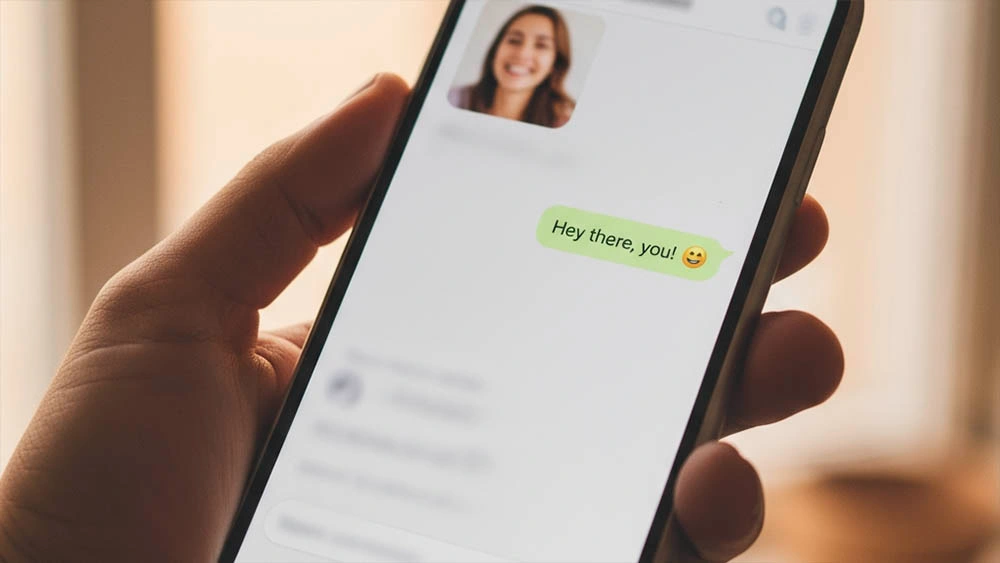
Why These Work (Psych Basics)
First impressions lean on quick, minimal cues, even online; short, friendly prompts + sincere follow-ups tend to raise likability and keep chats going. Research shows first impressions form rapidly and follow-ups deepen connection.
Research-backed tips on better conversations (Harvard Business School)
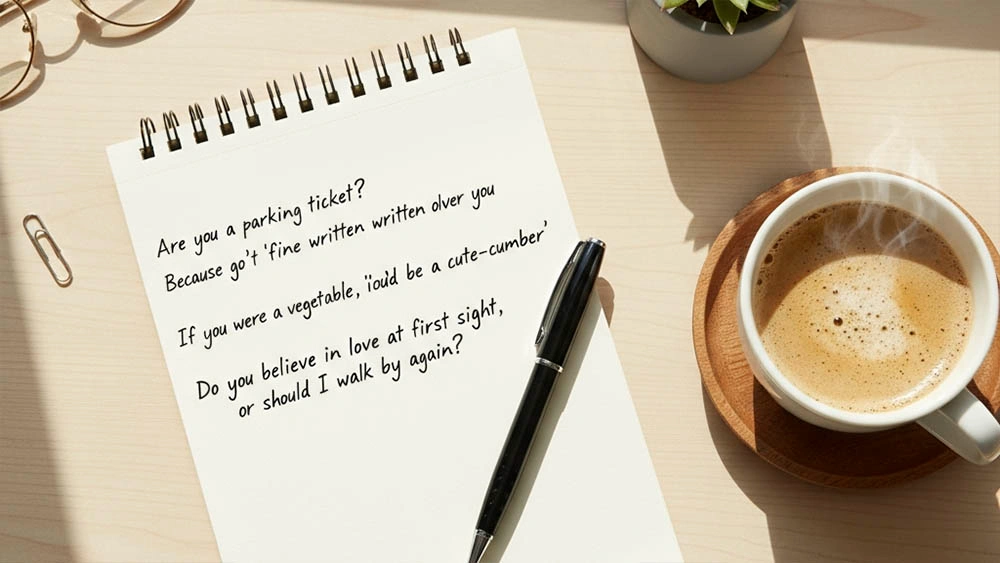
Make Your First Line Count
Keep it light, keep it specific, and always offer an easy way for her to answer. Then, ask one sincere follow-up to move from small talk to something memorable.

Also read: Start an Online Chat With Confidence (tone, structure, and mindset).